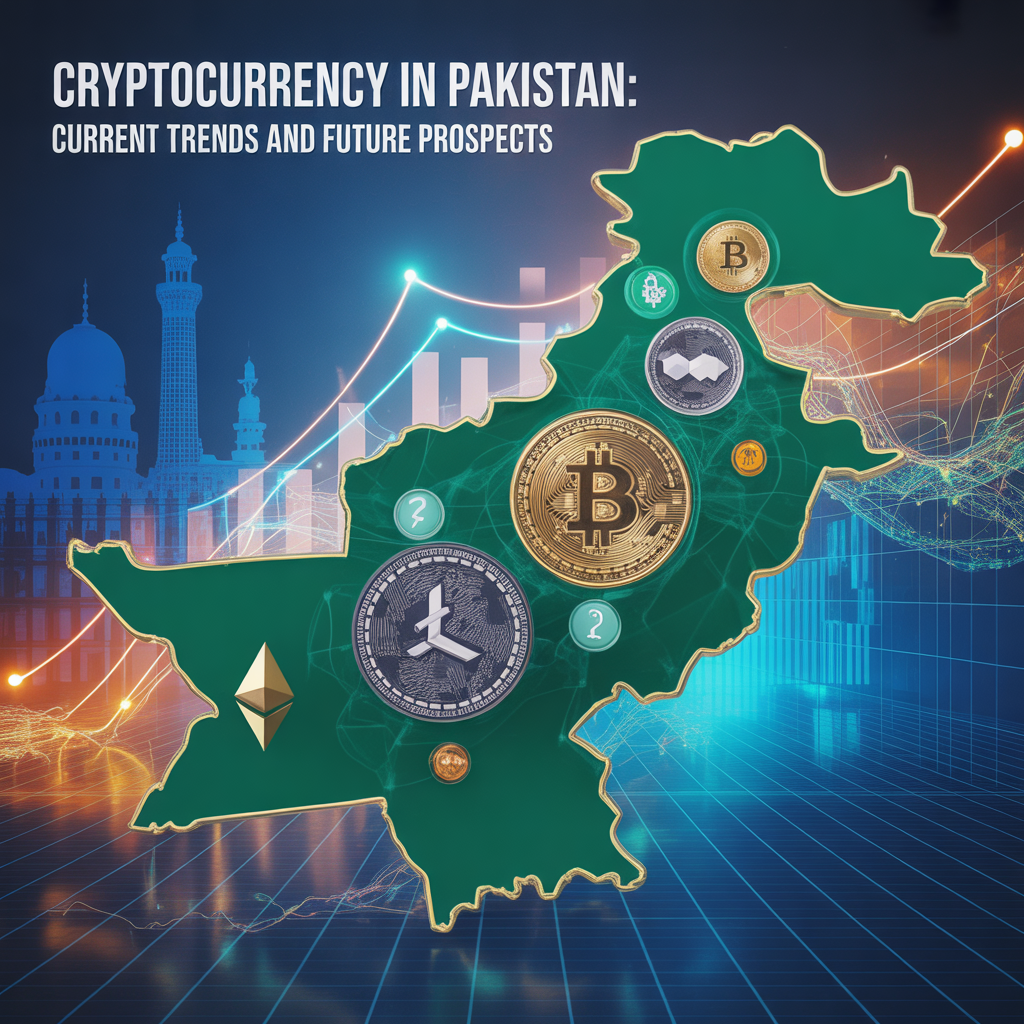
Cryptocurrency has become a topic of great interest around the world, and Pakistan is no exception. Digital currencies like Bitcoin, Ethereum, and other altcoins have attracted investors, tech enthusiasts, and even businesses looking to adopt new financial technologies. The rise of cryptocurrency in Pakistan presents both opportunities and challenges, as the country navigates regulation, adoption, and awareness. Cryptocurrency in Pakistan: Current Trends and Future Prospects explores how digital currencies are shaping the financial landscape, what trends are emerging, and what the future may hold for investors and ordinary users.
Understanding Cryptocurrency
Unlike traditional money, it is decentralized and usually operates on a blockchain, which is a public ledger that records all transactions securely. The main appeal of cryptocurrency is its potential for fast, borderless transactions and the opportunity for high returns through trading and investing.
In Pakistan cryptocurrency is gaining attention among tech-savvy youth, investors looking for new opportunities, and businesses exploring alternative payment methods. Digital wallets, exchanges, and trading platforms are becoming more accessible, making it easier for Pakistanis to participate in the crypto economy.
Current Trends in Pakistan
Growing Popularity Among Youth: The majority of cryptocurrency users in Pakistan are young adults, especially those interested in technology and finance. Social media platforms, online communities, and YouTube tutorials have contributed to increasing awareness.
Crypto Trading Platforms: Pakistani users are increasingly turning to local and international exchanges to buy and sell cryptocurrencies. Some popular platforms provide easy access to Bitcoin, Ethereum, and other digital assets.
Remittances and Payments: Cryptocurrencies are being explored as an alternative for sending money across borders. Pakistan has a large overseas workforce, and digital currencies could provide faster and cheaper remittance solutions.
Blockchain Startups: Innovative companies in Pakistan are exploring blockchain technology for various applications, including finance, supply chain, and digital contracts. This trend indicates the growing interest in the underlying technology of cryptocurrencies.
Government Discussions: While the State Bank of Pakistan has not fully legalized cryptocurrency, discussions around regulation, taxation, and financial security are ongoing. The government aims to balance innovation with the need to prevent fraud and illegal activities.
Opportunities in Cryptocurrency for Pakistan
Cryptocurrency presents several potential benefits for Pakistan:
Financial Inclusion: Digital currencies can provide access to financial services for people in remote areas who lack traditional banking infrastructure.
Investment Opportunities: Investors can diversify their portfolios by including digital assets, potentially earning high returns.
Tech Innovation: The adoption of blockchain technology can encourage startups and technological advancements in Pakistan.
Remittances: Faster, cheaper, and more secure money transfers from overseas Pakistanis are possible through cryptocurrencies.
Businesses and entrepreneurs can leverage cryptocurrency to expand services and reach global markets, fostering economic growth and innovation.
Challenges Facing Cryptocurrency in Pakistan
Despite the growing interest, there are several challenges:
Regulatory Uncertainty: Cryptocurrency is not fully regulated in Pakistan. While trading is not illegal, lack of clear guidelines creates uncertainty for investors and businesses.
Security Risks: Digital currencies are vulnerable to hacking, scams, and fraud, which can discourage new users.
Volatility: Cryptocurrency prices fluctuate rapidly, which can result in significant financial losses for inexperienced investors.
Limited Awareness: Many Pakistanis still lack proper knowledge about cryptocurrency and blockchain technology, leading to misconceptions and cautious adoption.
Banking Restrictions: Some banks and financial institutions restrict cryptocurrency-related transactions, making it harder for users to link their bank accounts with trading platforms.
The Future of Cryptocurrency in Pakistan
The future of cryptocurrency in Pakistan is promising but depends on several factors:
Clear Regulations: Government policies that provide clear guidelines, legal frameworks, and taxation rules can boost investor confidence.
Education and Awareness: Increasing awareness through workshops, courses, and online resources can help people understand risks and benefits.
Technological Advancements: The growth of blockchain startups and fintech companies can lead to more innovative cryptocurrency applications.
Integration with Businesses: As businesses adopt cryptocurrency for payments and transactions, wider acceptance and practical use will increase.
Cryptocurrency in Pakistan: Current Trends and Future Prospects suggests that the country is on the verge of embracing digital currencies more widely. With proper regulation, education, and technological development, Pakistan can become a significant player in the crypto ecosystem.
How to Get Started with Cryptocurrency in Pakistan
Learn the Basics: Understand what cryptocurrency is, how it works, and the risks involved.
Choose a Reliable Exchange: Select a trusted local or international platform to buy and sell crypto.
Secure a Wallet: Use digital wallets or hardware wallets to safely store your assets.
Start Small: Begin with small investments to understand market behavior and minimize risk.
Stay Updated: Follow cryptocurrency news, trends, and regulatory updates in Pakistan.
FAQs
People often ask, “Is cryptocurrency legal in Pakistan?” While not fully legalized, trading is allowed, but regulations are limited. “How can I buy Bitcoin or Ethereum in Pakistan?” You can use online exchanges or local platforms. “Is investing in cryptocurrency safe?” Like all investments, it carries risk due to price volatility and potential scams. “Can businesses accept cryptocurrency payments?” Yes, some businesses have started exploring it. “Will the government regulate cryptocurrency soon?” Discussions are ongoing, and clearer guidelines may emerge in the near future.